


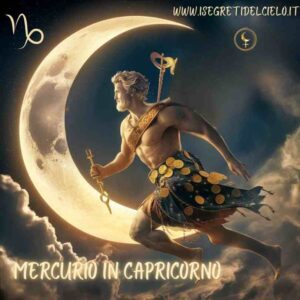
At this very moment, in the heliocentric heaven, we see the conjunction between Mercury and the Muse/asteroid Thalia in the sign of Capricorn.
Capricorn is a symbol of rigour, discipline and practicality; Mercury is the planet of communication and thought, lord of Harmony and Beauty; Thalia, she who is festive, is the Muse of comedy, irony, lightness and Joy.

Among the rigorous lines of Capricorn, Mercury dances with Thalia, bringing ideas and light words along rigorous paths… it is not fleeting gladness, it is not a floating dream, but perfect Joy: that which arises when the mind knows how to organise light, when a smile becomes a concrete gesture and the heart smiles with wisdom.
Thus, creativity finds a home in pragmatism, lightness is clothed in structure and happiness, finally, is not an idea but a possible reality when one moves from self-love to love for others, because the gift of oneself to others expands the Light of Joy.
Maitreya is sending courage. Maitreya will accept the gift. Maitreya feels the love with which it is given. Maitreya blesses the labor done joyously. Maitreya is sending work to the earthly plane in the name of the miraculous. Walk forward radiant! It is a joy for Me to guide those who smile. Discover the Teaching of Light in each manifestation. Resourcefulness is a quality My disciples possess. (Agni Yoga Series, Leaves of Morya’s Garden II § 97)
The mind that organises joy transforms lightness into concrete happi-ness.
Mercury conjunct Thalia in Capricorn represents the mind that, with discipline and structure, manages to bring creativity and lightness into reality. Joy is the end result: concrete, organised and conscious happi-ness.

… We deny nothing, for that which exists is undeniable. But it must be applied. Then there can be neither grief nor despair—only support. (Agni Yoga Series, Agni Yoga § 250)
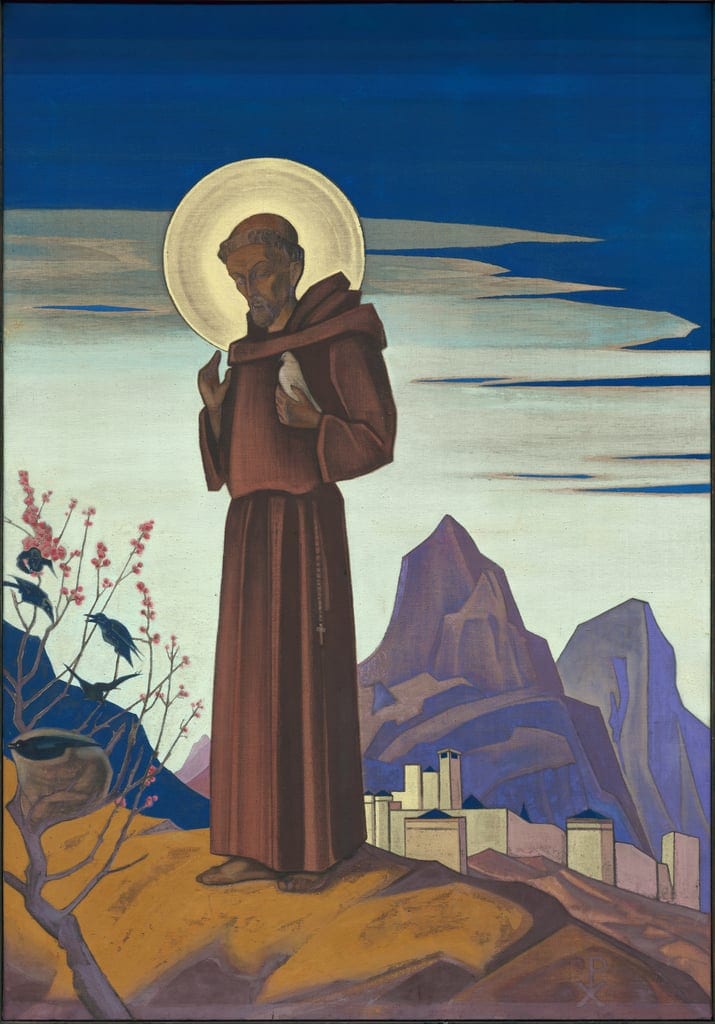
When speaking of Joy, one’s mind turns to St Francis and his “Perfect Joy”, one of the most famous stories in the Franciscan tradition, recounted in the Little Flowers.
Perfect Joy is a central concept in the spirituality of St Francis of Assisi and represents a state of authentic joy and inner serenity that is found in accepting suffering and injustice with patience, love and gratitude.
In a dialogue with Brother Leo, Francis explains that true joy does not depend on external circumstances, but on our inner attitude and our relationship with the divine.
St Francis was walking with Brother Leo on a cold winter’s day. He explained that perfect joy does not come from converting many infidels, nor from performing miracles, nor from having great spiritual gifts. But if, when returning tired and cold to the monastery, the friars did not recognise them and drove them away with insults, and they endured it with patience and rejoicing for the love of Christ: behold, therein lies perfect joy.
We live in a world where happiness seems to be connected to success and recognition, while Francis shows us that true joy does not depend on what others do or think, but on the ability to remain centred in love, even when facing pain and rejection.
In relationships, perfect joy means remaining calm even when we are not understood; at work and in society, it means not measuring our worth by applause but by the love we put into them; in our inner life, it means choosing to smile even when it is freezing outside, because inside us there is a light that never goes out.
When we feel forgotten or judged, we must remember that joy does not depend on the gaze of others, but on the love of and for Christ, the Principle and Prince of Love-Wisdom.
It is necessary to have a heart that knows how to smile, that does not harden in resentment but opens up like a flower in the snow; we must not seek happiness in success or in praise and rewards, but in the certainty that, even when everything seems against us, we must, like Francis, find perfect joy in humility, patience and a love that no closed door can extinguish.
Perhaps all this may seem too arduous a way of valuing suffering, almost taking pleasure in it, demanding too much of poor human creatures, and the temptation may be to give up sparkling joy for fear of going through terrible pain.
In the end, Francis says to Brother Leo:
And yet, hear the conclusion, Brother Leo. Above all the graces and gifts of the Holy Spirit, which Christ grants to his friends, is to overcome oneself and willingly endure pain, insults, reproach and hardship for the love of Christ; for we cannot glory in all the other gifts of God, since they are not ours but God’s, as the Apostle says: ‘What do you have that you did not receive from God? And if you received it from him, why do you boast as if you had it from yourself?’
Therefore, it is essential to place Christ at the centre of our lives and strive to become like Him! We must prepare ourselves to share not only suffering with Him, but also immense joy!
It is a tough proposition, difficult to put into practice because human beings like to be moved by the sight of a baby in a manger, surrounded by singing angels, but we must always remember that, in the background of the scene, there is a looming cross that is nonetheless salvation for all those who rely on it.
Perhaps we could begin by facing the inevitable hardships of daily life, accepting them with patience and courage, not dismissing them with easy complaints. When greater troubles come, we will already be trained and therefore stronger.
Perhaps perfect joy is not something to be conquered but recognised. Perhaps it is the silence that remains when all is quiet, the light that filters through even on grey days… it is that smile that arises not because everything is going well, but because we have chosen to love anyway.
In the end, perfect Joy is a small daily miracle… it is knowing how to say thank you even when nothing shines… it is discovering that peace does not depend on circumstances, but on a new way of looking at the world and ourselves, and then even the most ordinary day can become a holy place.
As Francis would say, this inner feeling does not dress in elegant clothes, but walks in dusty sandals… sometimes it stumbles, laughs, gets up and continues to sing because true joy is being on a journey, light and free, even with a few pebbles in our sandals but with so much Heaven in our heart!
Let people recall how successful they were because of Our Help, and how they actually felt that a Leading Hand had touched them. Some may have brushed it aside as if it were an annoying fly, but there were those who accepted it with gratitude.
Strong are those who are filled with gratitude, for their wings can grow! They will not be afraid of Our commissions. They know that We are greatly burdened, yet rejoice on the way to the Garden of Beauty! (Agni Yoga Series, Supermundane § 140)


It makes us feel better if we help others overcome their troubles.
Indeed, surrounded by darkness, confusion, and depths of despair, many journey forward with love, light, joy and stillness within.